
Canadian Broadband Infrastructure: National Fibre Trunks, IXPs & Wholesale TPIA
Broadband access across Canada spans roughly 5,500 kilometres coast to coast over optical backbones run by Bell, Rogers, Telus, Shaw, Vidéotron, Cogeco, Eastlink, SaskTel, Tbaytel, and Northwestel, alongside satellite constellations (Xplore and Starlink) serving rural and Arctic regions. Domestic internet traffic exchanges around major carrier hubs including Toronto (151 Front Street), Montreal, Vancouver, and Calgary. Under CRTC wholesale Third-Party Internet Access (TPIA) rules, independent Canadian providers such as TekSavvy, oxio, EBOX, Fizz, Start.ca, Beanfield, Distributel, and Purple Cow also deliver broadband over shared regional fibre and coaxial last-mile plants.
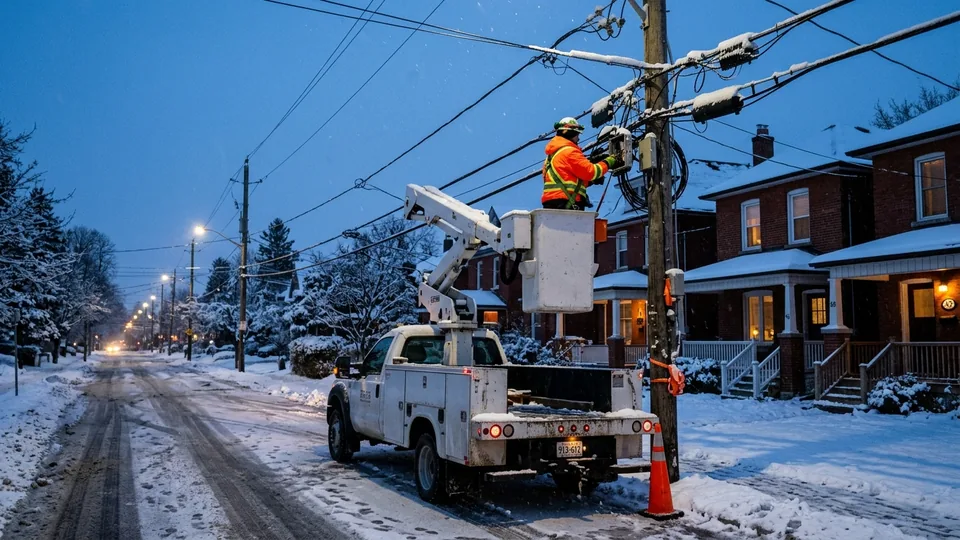
Because of shared physical infrastructure, an excavator severing a buried trunk line or a depleted street-node battery after a hydro outage frequently disconnects both the incumbent telco and wholesale ISPs inside the same FSA postal district — whereas an ISP DNS failure or BGP routing flap strikes only a single carrier nationwide. Monitoring both national telecoms and competitive ISPs together clarifies instantly where a failure sits.
Fast Checklist: Separating Local Wi-Fi Troubles from Carrier Outages
- Check Gateway & ONT Link Lights: A solid red LOS LED on a fibre terminal or endlessly flashing upstream/downstream lights on a DOCSIS cable modem signal a physical line outage rather than a slow Wi-Fi router.
- Test Wired Speeds & Alternate DNS: Connect via Cat5e/Cat6 Ethernet and run our Canadian Speed Test to rule out crowded apartment Wi-Fi channels. Pointing DNS briefly to CIRA Canadian Shield (
149.112.121.10) or Cloudflare (1.1.1.1) immediately bypasses ISP DNS outages. - 60-Second Sequenced Reboot: Power off both ONT/modem and router for one full minute, boot the modem first until WAN lights lock solid, then restore router power.
CRTC Internet Code Rights & Free CCTS Escalation in Canada
Canadian broadband subscribers enjoy clear protections under the CRTC Internet Code backed by independent mediation from the Commission for Complaints for Telecom-television Services (CCTS). When confirmed ISP downtime persists across multi-hour or multi-day windows, record start and restoration timestamps, obtain a trouble ticket number, estimate your prorated CAD adjustment via our Bill Credit Estimator, and contact billing support — or escalate unresolved disputes free to the CCTS.
Canadian FSA Postal-Code Tracking & Citizen Telemetry
Practical Documentation Checklist for Canadian ISP Credits: Keep a clean timeline of downtime start/restoration hours, record trouble ticket numbers, and save wired Ethernet diagnostic runs using our Canadian Speed Test. Under CRTC Internet Code standards and independent CCTS review, prolonged non-customer outages qualify for prorated CAD billing relief.
Every verified community report submitted on OutageCanada with a 3-character Canadian Forward Sortation Area (FSA — such as M5V in Toronto, H2X in Montreal, V6B in Vancouver, T2P in Calgary, or B3J in Halifax) updates live regional telemetry charts and helps residents confirm within seconds whether a disruption is limited to one dwelling or affecting an entire city sector.