
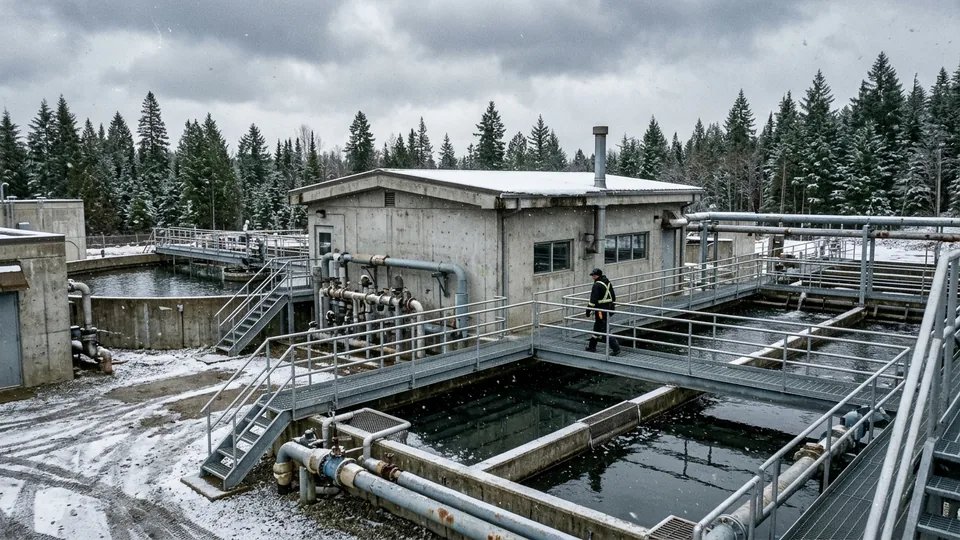
Canadian Municipal Water Systems & Boil Water Advisory Standards
Across Canada — from Toronto Water, Montréal, Ottawa, Halifax Water, Metro Vancouver, Calgary, Edmonton EPCOR, Winnipeg, Regina, and Saskatoon to First Nations systems monitored by Indigenous Services Canada — drinking water alerts most frequently arrive as localized pressure drops from cast-iron watermain breaks or precautionary Boil Water Advisories (BWA). Severe frost-depth changes and spring freeze-thaw ground shifting routinely fracture aging municipal mains; whenever depressurization introduces potential back-siphonage risk, public health officers maintain an advisory until line disinfection and two clean lab samples spaced 24 hours apart clear safety checks.
Health Canada 1-Minute Boil Protocol & Flushing Rules
- Full 60-Second Rolling Boil: Bring tap water to a vigorous rolling boil for at least 1 full minute before drinking, preparing infant formula, brushing teeth, making ice, brewing coffee, or rinsing raw vegetables.
- Household Pitcher Filters Are Not Sufficient: Standard carbon pitcher and fridge filters remove taste/odour compounds only and do not neutralize bacteria or parasites during an advisory.
- Check Notice Wording Carefully: Distinguish a standard Boil Water Advisory from a rare chemical Do Not Consume order where only sealed bottled water should be used.
- Flush Cold Lines Once Lifted: When your municipality lifts an advisory, remove faucet aerators and run cold water for 5–10 minutes until clear, discarding any ice produced during the event.
Canadian FSA Postal-Code Tracking & Citizen Telemetry
Hydrant Flushing, Turbidity & Household Readiness: Beyond Boil Water Advisories, check municipal schedules for spring and autumn hydrant flushing — temporary rust sediment discolours cold water briefly and can stain laundry. Keep 4 litres per person of sealed drinking water stored above freezing and bleed outdoor winter hose bibs before first frost.
Every verified community report submitted on OutageCanada with a 3-character Canadian Forward Sortation Area (FSA — such as M5V in Toronto, H2X in Montreal, V6B in Vancouver, T2P in Calgary, or B3J in Halifax) updates live regional telemetry charts and helps residents confirm within seconds whether a disruption is limited to one dwelling or affecting an entire city sector.