
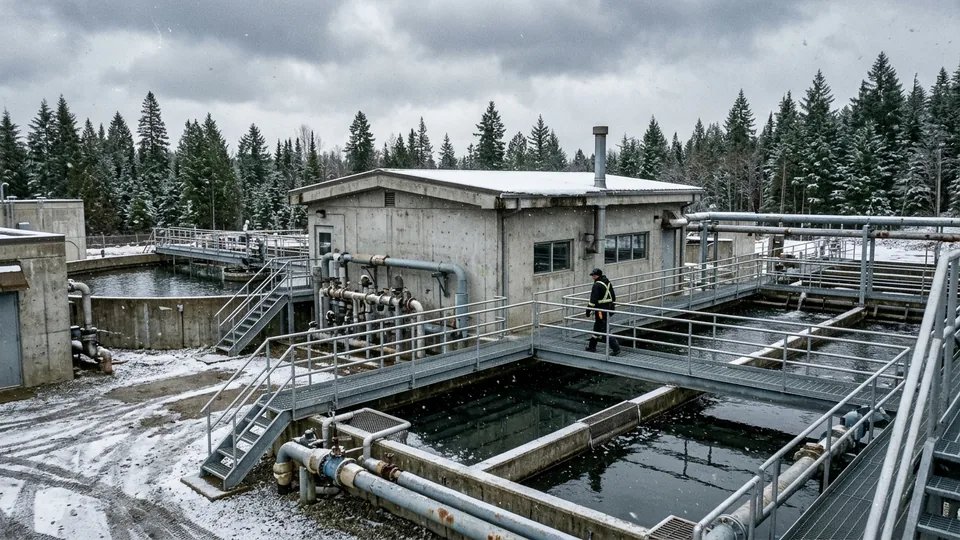
Ville de Saguenay Eau Water Main Monitoring & Canadian Boil Water Advisory Guide (QC (Saguenay))
Across Canadian cities, towns, and regional water systems serving QC (Saguenay), drinking water disruptions fall primarily into three operational events: sudden street water main breaks cutting pressure across neighbourhood blocks, planned valve isolations for hydrant or pipe maintenance, and precautionary Boil Water Advisories (BWA). Right now, our telemetry monitor shows normal baseline operations across Ville de Saguenay Eau’s QC (Saguenay) footprint, while continuously watching official feeds and localized postal-code (FSA) reports. Whenever main depressurization lets surrounding groundwater potentially infiltrate treated pipes, provincial health regulations require municipalities to issue a precautionary boil notice until repairs finish, mains are flushed/disinfected, and two consecutive lab tests spaced at least 24 hours apart clear bacteriological checks.
Deep winter frost penetration and sudden spring thaws across Canada put extreme stress on underground cast-iron and ductile pipes, causing main ruptures to peak sharply during sub-zero cold snaps. Always verify exact block-by-block advisory maps directly on Ville de Saguenay Eau’s official water updates portal, as most notices cover bounded hydraulic pressure zones rather than an entire metropolitan city.
Health Canada 1-Minute Rolling Boil Safety Protocol
Whenever Ville de Saguenay Eau issues a precautionary or emergency Boil Water Advisory for your street or FSA postal area, follow Health Canada and provincial public health safety guidelines strictly:
- Boil Tap Water at a Vigorous Rolling Boil for 1 Full Minute: Boil water continuously for 60 seconds (then cool in clean covered pitchers) before drinking, mixing baby formula, brushing teeth, making ice, washing raw fruits/vegetables, brewing coffee or tea (drip brewers do not hold boiling temperatures long enough), or filling pet water dishes.
- Never Rely on Carbon Pitcher Filters or Fridge Dispensers: Standard charcoal pitchers and refrigerator water dispensers improve chlorine flavour only — they cannot filter out E. coli bacteria, viruses, or protozoa such as Giardia and Cryptosporidium.
- Bathing & Handwashing Safety: Adults and older children may safely shower or bathe without swallowing water; give infants and toddlers sponge baths so untreated tap water is not accidentally ingested. High-heat sanitize dishwasher cycles are typically safe, or air-dry hand-washed dishes thoroughly.
- Boil Water vs. Do Not Consume Orders: If Ville de Saguenay Eau or health officials ever issue a rare Do Not Consume warning due to chemical contamination rather than pressure loss, boiling will not remove chemicals — switch strictly to sealed bottled water until cleared.
Household Appliances, Discoloured Hydrant Flushing & Aquarium Care
During main breaks or seasonal municipal hydrant flushing by Ville de Saguenay Eau, loosened iron rust and sediment frequently turn tap water temporarily cloudy or tea-coloured. Avoid washing white laundry until cold taps run completely clear to avoid permanent rust staining, shut off automatic fridge ice makers immediately, and discard all ice cubes produced since the pressure drop started. Fill cool-mist humidifiers and CPAP medical therapy reservoirs exclusively with distilled or boiled-and-cooled water during advisories. Aquarium owners should test municipal free-chlorine or chloramine swings carefully before performing large tank water changes right after main chlorination.
Flushing Building Pipes After All-Clear & Winter Freeze Protection
Once Ville de Saguenay Eau lifts the notice on https://ville.saguenay.ca, flush stagnant household plumbing before drinking: remove faucet aerator screens, run cold-water taps (starting with basement sinks or non-aerated bathtub spouts) for 5–10 minutes until water runs crystal clear and cold, and replace disposable fridge water filters as advised. During extreme cold warnings below -20°C, leave under-sink cabinet doors open along exterior walls so room heat protects pipes, and report zero-pressure drops or street leaks immediately to Ville de Saguenay Eau at 418-698-3000.
Incident Documentation, Household Continuity & Escalation with Ville de Saguenay Eau
Household Emergency Water Reserves & Commercial Food Service Rules: Every Canadian household should keep sealed emergency water reserves (at least 4 litres per person for a 48-hour buffer) stored away from freezing basements. Restaurants, daycares, and cafés operating under provincial public health inspection codes during a Ville de Saguenay Eau Boil Water Advisory must immediately disconnect plumbed fountain dispensers, switch exclusively to commercially bagged ice, and use boiled/bottled water for produce washing and beverage brewing until municipal all-clear testing concludes.
Hot Water Tank Protection During Full Shutoffs: If cold supply pressure drops completely to zero during a Ville de Saguenay Eau main repair, turn gas/electric water heaters down to vacation or standby mode temporarily so tanks do not overheat on empty elements, then bleed cold taps cleanly before restoring full water heating.
Outdoor Hose Bibs & Basement Shut-Offs Before Freeze-Up: Each autumn across Canada, close interior shut-off valves feeding outdoor garden hose bibs and drain exterior lines before deep frost arrives so hidden pipe bursts do not mimic sudden municipal pressure failures.
To speed dispatch triage when contacting Ville de Saguenay Eau at 418-698-3000 or through https://ville.saguenay.ca, always have your 3-character Canadian Forward Sortation Area (FSA) postal prefix, city/municipality name, exact failure timestamp, and neighbour status ready. Accurate postal-code telemetry helps Canadian dispatchers distinguish isolated home hardware faults from wider feeder, fibre trunk, or server cluster outages and assign the right field engineers on the first dispatch. OutageCanada continuously refreshes monitored telemetry on 15-minute cycles so residents across every Canadian province and territory stay informed in both official languages.