
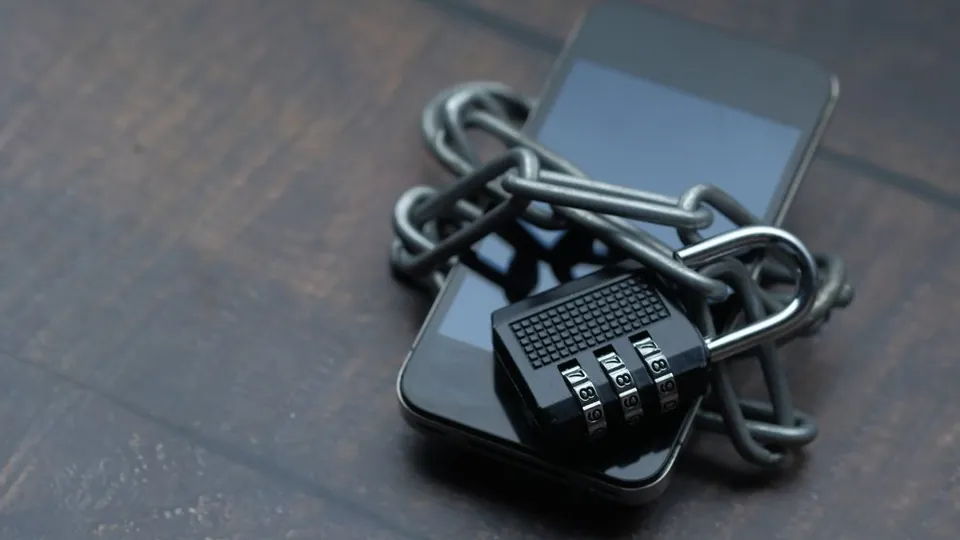
Why Outages Trigger Waves of Canadian Smishing & Phishing
Within two hours of any high-profile Rogers, Bell, Telus, Vidéotron, Hydro-Québec, Hydro One, or Interac disruption, cybercriminal syndicates launch coordinated bilingual SMS "smishing" blasts targeting Canadian 416, 514, 604, 403, and 902 area codes: "Hydro-Québec / Rogers Outage Credit: Click here to claim your $42.50 CAD Interac refund." Criminals weaponize authentic customer frustration over real blackouts to steal online banking logins, reset passwords, and intercept multi-factor security codes.
3 Absolute Fraud Verification Rules During Any Canadian Outage
| Suspicious Red Flag | Genuine Canadian Utility / Bank Practice |
|---|---|
| Text message links to an external "Interac deposit" or shortened bit.ly refund form | 100% SCAM. Canadian telecoms, banks, and electric utilities never pay outage adjustments via external SMS clickable Interac links—real credits post directly as line items on monthly statements inside authenticated billing accounts. |
| Phone drops abruptly to "SOS Only / No Service" while everyone else in the room keeps full carrier signal | Possible Active SIM-Swap Attack! Contact your mobile carrier’s fraud line immediately and freeze bank apps—attackers may have ported your telephone number to a fresh eSIM/SIM to hijack SMS 2FA password resets. |
| Urgent prerecorded call threatening Hydro or gas shutoff within 30 minutes unless paid via gift cards, e-Transfer, or crypto | 100% SCAM. Canadian provincial regulators mandate advance written disconnection notices—never telephone demands for Bitcoin, Apple cards, or urgent wire deposits. |
Hardening Canadian Telecom & Financial Accounts Beyond SMS Codes
- Activate Carrier Port-Out / SIM-Transfer Locks: Contact Rogers, Bell, Telus, Vidéotron, or Freedom Mobile to add an account-level verbal security passphrase and mandatory port-protection PIN—so no attacker can transfer your number out without secondary verification.
- Migrate High-Risk Logins Off SMS Two-Factor Authentication: Switch email accounts (Gmail, Outlook, iCloud), CRA My Account, crypto exchanges, and brokerage apps from SMS passcodes to authenticator app TOTP tokens (Google/Microsoft Authenticator, Apple Passwords) or hardware FIDO2 keys—even a successful SIM-swap cannot forge hardware cryptographic tokens.
- Review Bank Sign-In Alerts Daily After Public Telecom Incidents: Activate push app login alerts and lower instant daily Interac e-Transfer caps when accounts are dormant.
- Report Phishing & Fraud Nationally: Forward fraudulent SMS lures free of charge to 7726 (SPAM) across all major Canadian mobile carriers and file reports with the Canadian Anti-Fraud Centre (CAFC / Centre antifraude du Canada).
Recognizing Spoofed e-Transfer Deposits vs. Genuine Carrier Billing Credits
Canadian fraudsters frequently copy exact corporate logos, Maple Leaf banners, and authentic bilingual phrasing straight from Rogers, Bell, Telus, Hydro-Québec, and Desjardins websites. Hover carefully over destination URLs inside email or browser bars before entering passwords: legitimate carrier credits always resolve inside authentic top-level Canadian domains (rogers.com, bell.ca, telus.com, videotron.com, hydroquebec.com) rather than lookalike hyphenated domains such as hydro-quebec-remboursement-interac.com or shortened links requesting personal SIN numbers or 3-digit CVV banking security codes.
Frequently Asked Questions — Canadian Outage Scams
What should I do if I already typed my bank password on a fake Hydro or Rogers refund page?
Call your bank’s official toll-free fraud hotline immediately (printed on the back of your physical debit/credit card—never from search ads), lock online access, change reused passwords everywhere, and place Equifax/TransUnion Canada credit fraud alerts.
Why did the scam text show up in the exact same iMessage/SMS thread as real alerts?
SMS spoofers sometimes alter sender labels cleanly or reuse disposable Canadian short codes—always evaluate the target URL domain independently inside your browser bookmark rather than trusting thread context.
Canadian Wireless Emergency Resilience, Tower Power Limits & Consumer Safeguards
Cellular networks across Canada—anchored nationally by Rogers, Bell, and Telus and regionally by Vidéotron / Fizz, Freedom Mobile, SaskTel, Eastlink, and Tbaytel—operate under federal Innovation, Science and Economic Development Canada (ISED) spectrum licences and the CRTC Wireless Code. While macro base stations protect public safety channels far longer than unmanaged consumer routers, severe Canadian ice storms, coastal cyclones, and wide-area hydro outages inevitably drain backup battery cabinets at thousands of un-generatored rural and rooftop tower sites within four to eight hours.
Essential Mobile Survival & Account Security Habits Across Canada
- Protect Account Portability & 2FA Channels: Contact your carrier directly to activate port-protection locks and account-level PINs preventing unauthorized SIM-swap attacks—especially vital during heavily publicized Canadian network blackouts when fake refund phishing SMS surges bombard nervous customers.
- Verify Cellular vs. Core-Network Outages Early: Check live crowd-verified reports across Canadian 5G & Wireless Carriers; switching smartphone network settings temporarily from 5G Auto to LTE / 4G occasionally bypasses overloaded 5G standalone bands during localized tower re-tuning or hardware maintenance.
- Keep Wi-Fi Calling Registered Before Storms Strike: Confirm your E911 civic street address and apartment buzzer are saved cleanly in iOS or Android settings while cellular coverage is intact, and pair home fibre ONT/modems with a small UPS battery backup so Wi-Fi voice/SMS survives local street hydro drops.
- Carry Portable USB Power & Emergency Offline Contacts: Store an emergency contact sheet on paper alongside a 10,000–20,000 mAh power bank kept indoors above +5°C, since freezing cold slashes phone lithium chemistry efficiency during outdoor storm commutes.
- Track Bill Credits on Extended Unresolved Disruptions: Estimate fair prorated monthly wireless reimbursement in Canadian dollars using our CAD Bill Credit Calculator whenever verified regional blackouts interrupt voice and data continuously beyond 24 hours.
Canadian Postal FSA Verification, Time-Zone ETR Accuracy & Community Alerts
Canada encompasses six distinct civil time zones stretching from Newfoundland Standard Time (NST, UTC-3:30) and Atlantic Time across the Maritimes through Eastern Time in Québec and Ontario, Central Time in Manitoba and Saskatchewan, Mountain Time in Alberta, and Pacific Time in British Columbia and Yukon. Whenever a carrier or municipal water utility posts an Estimated Time of Restoration (ETR) across bilingual alerts, verify carefully whether timestamps are expressed in local provincial time or national Eastern Time before scheduling generator refueling cycles or work-from-home calls.
Searching OutageCanada by your three-character Canadian Postal Forward Sortation Area (FSA) (such as M5V for Downtown Toronto, H2X for Montréal, V6B for Vancouver, T2P for Calgary, or B3J for Halifax) aggregates official utility feed telemetry, Environment and Climate Change Canada (ECCC) GeoMet weather advisories, and verified local community problem reports into a single privacy-preserving view—with zero account registration required. You can submit an instant outage confirmation via Report an Outage in Canada, inspect recurring neighbourhood incidents inside the Canadian Historical Outage Archive, or enable browser notifications in two taps without ever sharing sensitive personal banking credentials or home telephone numbers.