
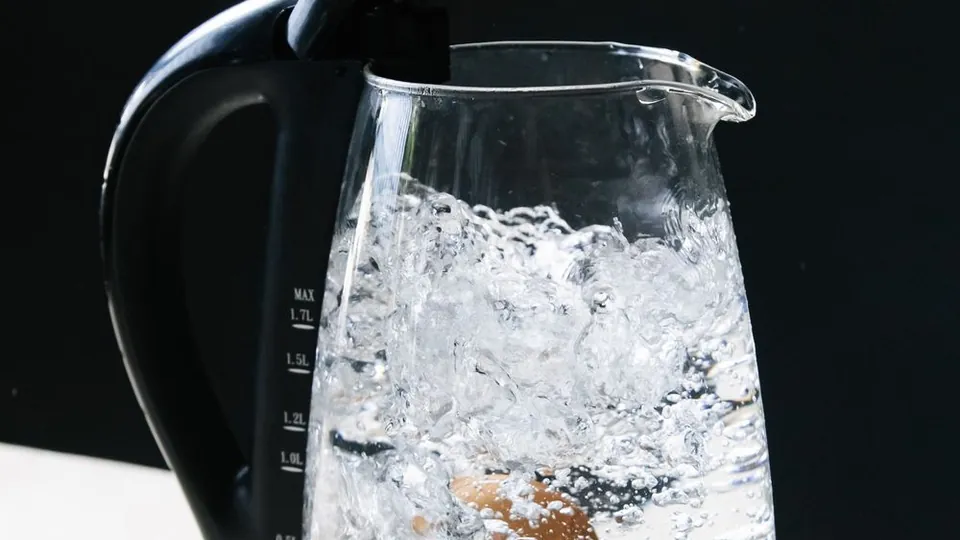
What Triggers a Boil Water Advisory in Canadian Municipalities?
Whenever positive pressure inside Canadian municipal water mains drops below 140 kPa (20 psi)—whether due to a deep-freeze cast-iron main rupture in Montréal, Toronto, Winnipeg, Ottawa, or Halifax, an electrical power failure at a regional pumping plant, or heavy spring snowmelt overwhelming turbidity filters—groundwater surrounding buried trenches can back-siphon through microscopic pipe joint seals. Because pathogens such as E. coli, Cryptosporidium, or Giardia cannot be ruled out immediately, provincial medical officers of health and Indigenous Services Canada issue precautionary Boil Water Advisories (avis d’ébullition préventif) until consecutive lab assays verify clean chlorine residuals and zero bacteria.
Boil Water Advisory vs. Do Not Consume vs. Do Not Use
| Advisory Type | Hazard Trigger | Can Boiling Fix It? |
|---|---|---|
| Boil Water Advisory (Avis d’ébullition) | Loss of positive pipe pressure, turbid runoff, or bacteria indicators | YES. Bring water to a full rolling boil for at least 1 full minute. |
| Do Not Consume Order (Avis de non-consommation) | Chemical spill, elevated nitrates, fuel/solvent intrusion, or algal cyanotoxins | NO. Boiling actually concentrates chemical toxins through steam evaporation! Use bottled water exclusively. |
| Do Not Use Notice | Severe volatile organic compound (VOC) or hazardous solvent breach | NO. Avoid skin contact, bathing, laundry, or inhaling shower mist until emergency line flushing completes. |
Strict 1-Minute Health Canada Boiling Protocol
- Full Rolling Boil for 60 Seconds: Always draw cold tap water (warm water absorbs copper/lead solder metals inside pipes) into a clean stovetop pot and keep large aggressive bubbles rolling continuously for one complete minute (extend to two minutes at high altitudes above 2,000 metres in communities like Banff or Lake Louise). Cool covered in the refrigerator before drinking.
- Why Electric Kettles Can Be Unreliable: Many consumer electric kettles shut off automatically the moment gentle surface simmering begins without holding 60 full seconds of boiling; run a stove pot with a kitchen timer or re-trigger the kettle switch cautiously.
- Why Brita & Refrigerator Carbon Filters Are NOT Safe: Household activated-charcoal pitchers remove chlorine flavour and trace heavy metals, yet microscopic pores cannot trap viruses, bacteria, or parasitic cysts. Never rely on pitchered tap water during a Boil Water Advisory unless you boil it afterward.
- Infant Formula, Brushing Teeth & Food Prep: Use cooled boiled water or sealed commercial bottled water to mix baby formula, wash pacifiers, rinse raw lettuce and apples, make fridge ice cubes, and brush teeth.
- Dishwashers, Laundry & Bathing Rules: Dishwashers equipped with a verified hot "Sanitize" rinse (≥ 65°C) sanitize safely; hand-washed dishes require soaking 1 minute in a 5 mL unscented household bleach to 4 L clean water solution and complete air-drying. Healthy adults may shower carefully without ingesting water; sponge-bathe babies and toddlers safely.
Post-Advisory Flushing When the Municipality Lifts the Notice
Cities usually require two separate bacteriological lab rounds taken 24 hours apart showing zero bacterial growth before lifting notices. Once lifted, flush every cold water faucet across your home for 5 full minutes, purge outside hose bibbs briefly, run an empty cycle through commercial or home icemakers, discard all stored ice cubes created during the alert period, and swap disposable refrigerator filter cartridges exposed to untreated flow.
Provincial Public-Health Authorities Issuing Canadian Drinking Water Alerts
| Jurisdiction | Primary Issuing Authority | Resident Verification Channel |
|---|---|---|
| Ontario | Local Medical Officer of Health & MECP | Municipal 311 / Regional Health Unit map |
| Québec | Municipalité & MELCCFP | 311 / Portail municipal (avis d’ébullition) |
| British Columbia | Regional Health Authorities (VCH, Fraser, Island, Interior, Northern) | Health authority & CRD dashboards |
| Alberta & Prairies | Alberta Health Services, Saskatchewan Water Security Agency, Manitoba Health | Municipal utility notices & provincial maps |
| First Nations Communities | Indigenous Services Canada (ISC) & Band Councils | ISC national drinking water portal |
Frequently Asked Questions — Boil Water Advisories
Can pets drink unboiled tap water during an advisory?
Veterinarians recommend offering pets cooled boiled water or bottled water too, as dogs and cats can contract Giardia or gastrointestinal distress from contaminated municipal lines.
Where are federal First Nations drinking water advisories tracked?
Indigenous Services Canada coordinates real-time public monitoring and engineering investments for Long-Term and Short-Term Advisories across First Nations reserves alongside provincial environmental health registries.
Canadian Drinking Water Governance, Municipal 311 Coordination & Safe Household Storage
Safe municipal tap water across Canada is governed jointly under federal Health Canada Guidelines for Canadian Drinking Water Quality and provincial public-health oversight—such as Ontario’s Ministry of the Environment, Conservation and Parks (MECP), Québec’s Ministère de l’Environnement (MELCCFP), Alberta Environment, and BC regional health authorities—while First Nations public water systems coordinate monitoring with Indigenous Services Canada (ISC). Any pressure loss below 140 kPa (20 psi) triggers precautionary microbiological sampling protocols requiring consecutive clear lab cultures spaced 24 hours apart before lifting public notices.
Practical Canadian Household Water Preparedness Checklist
- Verify Official Advisory Scope by Street & FSA: Always distinguish carefully whether an active local alert is a preventive Boil Water Advisory (safe after 1 minute rolling boil), a depressurized Water Main Shutoff, or a strict chemical Do Not Consume order via OutageCanada’s Water & Boil Advisory Feed and municipal 311 portals.
- Tag Basement Shutoff Valves Before Freezing or Pressure Loss: Locate the primary incoming municipal shutoff valve beside your basement water meter and exercise ball valves smoothly twice yearly; disconnect garden hoses and shut interior isolation valves supplying exterior frost-free sillcocks before November frost hits.
- Maintain Rotating Sealed Emergency Reserves: Stock at least 12 litres of commercially sealed drinking water per household member (4 L/day for 3 days covering hydration and medical/infant hygiene) alongside clean utility buckets filled ahead of predictable winter main repairs for sanitary toilet flushing.
- Protect Appliances & Tank Water Heaters: Disable automatic fridge icemakers during active advisories and shut off water heater supply power/gas during total street shutoffs exceeding a day if pipe back-siphonage threatens tank levels.
- Flush All Lines Systematically Once Advisories Lift: Open cold taps nearest to the incoming municipal service line first—ideally basement laundry tubs lacking fine mesh aerators—for five minutes to expel harmless iron or manganese sediment before washing white laundry or drawing fresh hot water.
Canadian Postal FSA Verification, Time-Zone ETR Accuracy & Community Alerts
Canada encompasses six distinct civil time zones stretching from Newfoundland Standard Time (NST, UTC-3:30) and Atlantic Time across the Maritimes through Eastern Time in Québec and Ontario, Central Time in Manitoba and Saskatchewan, Mountain Time in Alberta, and Pacific Time in British Columbia and Yukon. Whenever a carrier or municipal water utility posts an Estimated Time of Restoration (ETR) across bilingual alerts, verify carefully whether timestamps are expressed in local provincial time or national Eastern Time before scheduling generator refueling cycles or work-from-home calls.
Searching OutageCanada by your three-character Canadian Postal Forward Sortation Area (FSA) (such as M5V for Downtown Toronto, H2X for Montréal, V6B for Vancouver, T2P for Calgary, or B3J for Halifax) aggregates official utility feed telemetry, Environment and Climate Change Canada (ECCC) GeoMet weather advisories, and verified local community problem reports into a single privacy-preserving view—with zero account registration required. You can submit an instant outage confirmation via Report an Outage in Canada, inspect recurring neighbourhood incidents inside the Canadian Historical Outage Archive, or enable browser notifications in two taps without ever sharing sensitive personal banking credentials or home telephone numbers.