
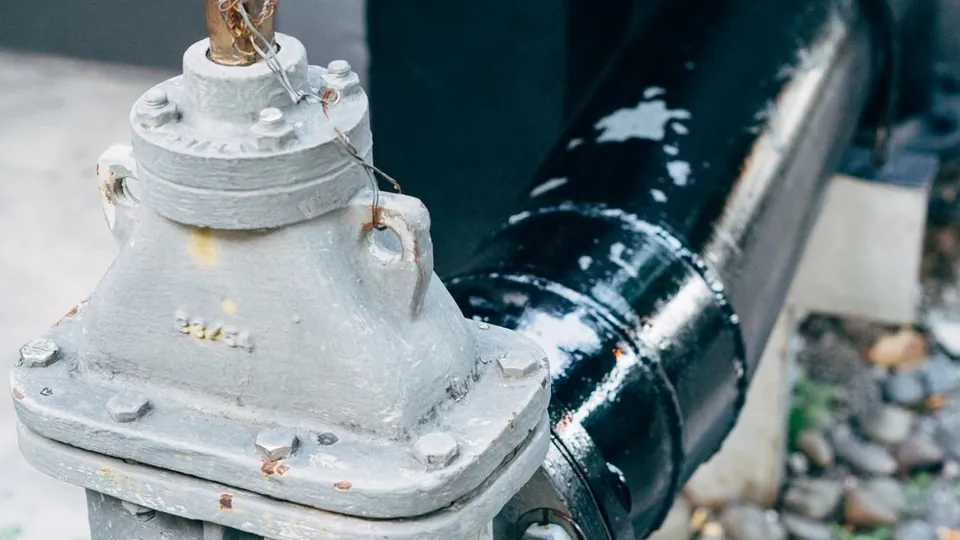
Freeze-Thaw Water Main Breaks vs. Unidirectional Flushing
Across Montreal, Toronto, Ottawa, Winnipeg, and Edmonton, older cast-iron and ductile-iron distribution pipes endure extreme frost-heave ground movement and 2°C river intake water temperatures between November and April. When tap pressure drops abruptly or household faucets run amber-brown, Canadian residents usually face one of two scenarios: scheduled spring or fall municipal hydrant flushing (rinçage unidirectionnel) or an unplanned emergency water main rupture beneath nearby pavement.
| Diagnostic Clue | Routine Hydrant Flushing | Emergency Water Main Break |
|---|---|---|
| Pressure Behaviour | Modest 15–30% flow reduction for 1–4 hours during daytime city work crews | Sudden total flow collapse across all taps or neighbours calling 311 simultaneously |
| Water Appearance | Uniform orange/tea colour (harmless oxidized iron and manganese scale) | Cloudy clay/sand grit inside aerator mesh, air sputtering, or bubbling roadway asphalt outdoors |
| Utility Notice Status | Often posted in advance on city web maps or yellow door-hanger notices | Unannounced fault requiring street valve isolation by emergency water crews |
| Immediate Home Action | Pause white laundry cycles and avoid drawing heavy hot water tank intake | Check street outside, call municipal 311, store emergency clean drinking jugs |
Protecting Water Heaters & Laundry During Discoloured Water
Whenever municipal water looks visibly yellow, amber, or silty, halt washing-machine loads and minimize hot-water draws until clear street flow resumes. Drawing rusty sediment inside an electric or gas water heater deposits heavy iron mineral mud across bottom elements, cutting efficiency and causing foul smells—while washing white shirts or towels during hydrant flushing leaves permanent ferric oxide stains.
Clearing Tap Water & Diagnosing Private House Pressure Drop
- Flush from the lowest cold-water tap first: Once utility crews restore street valves, open a basement laundry tub or ground-floor cold bathtub spout (which contains no fine aerator filter screen) for 5–10 minutes until tap water turns completely crystal clear.
- Clean plugged faucet aerators: Unscrew metal/plastic mesh tips from kitchen and bathroom spouts to rinse out trapped sand, scale, and street sediment.
- Inspect your Pressure Reducing Valve (PRV) if only your address lost flow: If neighbours across the boulevard retain full street pressure while your home slows to a trickle, the internal brass spring/diaphragm inside your home’s private PRV beside the main water meter—or a clogged whole-house sediment cartridge—may have jammed shut.
- Monitor for Post-Break Boil Advisories: Deep structural main breaks that depressurize an entire block below 20 psi often trigger mandatory 48-hour municipal Boil Water Advisories while chlorine flushing clears trenches.
Preventing Basement Backups & Pipe Hammer During Street Repairs
When municipal water crews re-open isolated street gate valves, pressurized air pockets travel briskly up residential copper risers—causing loud banging ("water hammer") that stresses solder joints and washing-machine rubber supply hoses. Leaving one cold basement laundry tap partially cracked open during street valve re-pressurization vents trapped air gently and shields household appliances cleanly.
Meanwhile, if rusty hydrant-flushing water stains damp cotton laundry loads inadvertently, do not place stained textiles in a heated dryer; heat sets ferric iron into fabric fibres permanently. Instead, re-wash wet items immediately using a mild reducing rust-remover packet formulated for iron water before air-drying.
Frequently Asked Questions — Water Pressure & Main Breaks
Is rusty water from scheduled hydrant flushing dangerous if swallowed accidentally?
Mineral iron and manganese turbidity stirred up by directional flushing remains chlorinated and generally poses aesthetic laundry/taste annoyance rather than acute toxicity; however, if unannounced muddy water coincides with sudden total street pressure loss, hold consumption and check 311 for main-break boil instructions.
Why did street water erupt right through frozen asphalt in January?
Deep winter frost fronts shift soil upward against rigid 1950s–1970s cast-iron water mains carrying brittle joints; sudden 3°C cold river shocks crack barrel circumferences cleanly around the pipe.
Canadian Drinking Water Governance, Municipal 311 Coordination & Safe Household Storage
Safe municipal tap water across Canada is governed jointly under federal Health Canada Guidelines for Canadian Drinking Water Quality and provincial public-health oversight—such as Ontario’s Ministry of the Environment, Conservation and Parks (MECP), Québec’s Ministère de l’Environnement (MELCCFP), Alberta Environment, and BC regional health authorities—while First Nations public water systems coordinate monitoring with Indigenous Services Canada (ISC). Any pressure loss below 140 kPa (20 psi) triggers precautionary microbiological sampling protocols requiring consecutive clear lab cultures spaced 24 hours apart before lifting public notices.
Practical Canadian Household Water Preparedness Checklist
- Verify Official Advisory Scope by Street & FSA: Always distinguish carefully whether an active local alert is a preventive Boil Water Advisory (safe after 1 minute rolling boil), a depressurized Water Main Shutoff, or a strict chemical Do Not Consume order via OutageCanada’s Water & Boil Advisory Feed and municipal 311 portals.
- Tag Basement Shutoff Valves Before Freezing or Pressure Loss: Locate the primary incoming municipal shutoff valve beside your basement water meter and exercise ball valves smoothly twice yearly; disconnect garden hoses and shut interior isolation valves supplying exterior frost-free sillcocks before November frost hits.
- Maintain Rotating Sealed Emergency Reserves: Stock at least 12 litres of commercially sealed drinking water per household member (4 L/day for 3 days covering hydration and medical/infant hygiene) alongside clean utility buckets filled ahead of predictable winter main repairs for sanitary toilet flushing.
- Protect Appliances & Tank Water Heaters: Disable automatic fridge icemakers during active advisories and shut off water heater supply power/gas during total street shutoffs exceeding a day if pipe back-siphonage threatens tank levels.
- Flush All Lines Systematically Once Advisories Lift: Open cold taps nearest to the incoming municipal service line first—ideally basement laundry tubs lacking fine mesh aerators—for five minutes to expel harmless iron or manganese sediment before washing white laundry or drawing fresh hot water.
Canadian Postal FSA Verification, Time-Zone ETR Accuracy & Community Alerts
Canada encompasses six distinct civil time zones stretching from Newfoundland Standard Time (NST, UTC-3:30) and Atlantic Time across the Maritimes through Eastern Time in Québec and Ontario, Central Time in Manitoba and Saskatchewan, Mountain Time in Alberta, and Pacific Time in British Columbia and Yukon. Whenever a carrier or municipal water utility posts an Estimated Time of Restoration (ETR) across bilingual alerts, verify carefully whether timestamps are expressed in local provincial time or national Eastern Time before scheduling generator refueling cycles or work-from-home calls.
Searching OutageCanada by your three-character Canadian Postal Forward Sortation Area (FSA) (such as M5V for Downtown Toronto, H2X for Montréal, V6B for Vancouver, T2P for Calgary, or B3J for Halifax) aggregates official utility feed telemetry, Environment and Climate Change Canada (ECCC) GeoMet weather advisories, and verified local community problem reports into a single privacy-preserving view—with zero account registration required. You can submit an instant outage confirmation via Report an Outage in Canada, inspect recurring neighbourhood incidents inside the Canadian Historical Outage Archive, or enable browser notifications in two taps without ever sharing sensitive personal banking credentials or home telephone numbers.